April 6th, 2026
How to Get Your Cat to Use a Cat Tree (When They're Being Difficult About It)
• The Cat Tree Problem Nobody Warns You About
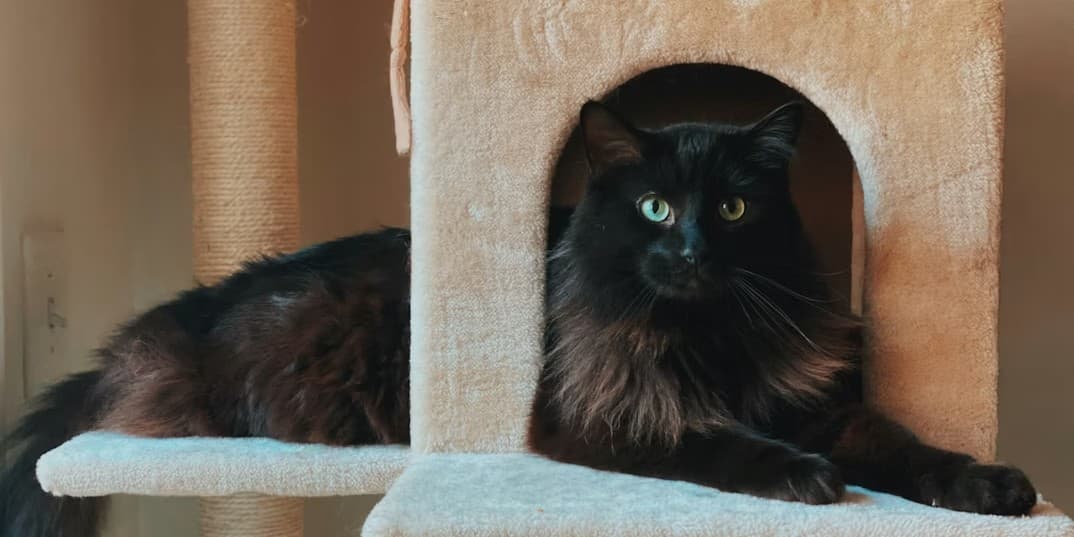
You spent time researching cat trees. You read the reviews. You assembled the thing — probably with a cat supervising unhelpfully from three feet away. You stepped back, pointed at it proudly, and your cat walked directly past it to sit in the cardboard box it came in.
Welcome to cat ownership. This happens to almost everyone. The good news is it's not permanent — cats are creatures of habit and suspicion, and a new object in the house is treated as guilty until proven innocent. The better news is there are some genuinely effective ways to speed up the process. Here's what actually works.
• Step 1: Location Is Everything
The single biggest reason cats ignore a cat tree is placement. If you tucked it in a spare bedroom or a quiet corner away from the action, your cat has no reason to go there. Cats want to be where the household is — they just want to observe it from a safe, elevated distance.
Move the tree to your living room, near a window if possible. Window placement is the cheat code — a cat who won't look twice at a tree in the hallway will absolutely claim the top perch if it means they can watch birds and judge the neighbours at the same time. Give it a week in a new spot before deciding the tree is a failure.
• Step 2: Make It Smell Like Home
New cat trees smell like the factory, the shipping box, and approximately zero cats. Your cat's entire worldview is organized around scent, and an object that smells foreign is an object to be avoided until further notice.
The fix: rub a blanket or piece of clothing your cat already loves all over the tree. Put one of their existing toys on a platform. If you have catnip, a light sprinkle on the top perch is practically cheating — most cats cannot physically resist investigating a catnip smell. You're not tricking them, you're just translating 'this is safe' into a language they understand.
• Step 3: Pick a Cat Tree They'll Actually Want to Use
Sometimes the problem isn't the cat — it's the tree. A cat who loves enclosed spaces and hides under the bed is not going to be thrilled about an open-platform tower with no condo. A cat who climbs everything in sight is going to be bored by a compact 30-inch tree. Matching the tree to your cat's actual personality matters more than most people think.
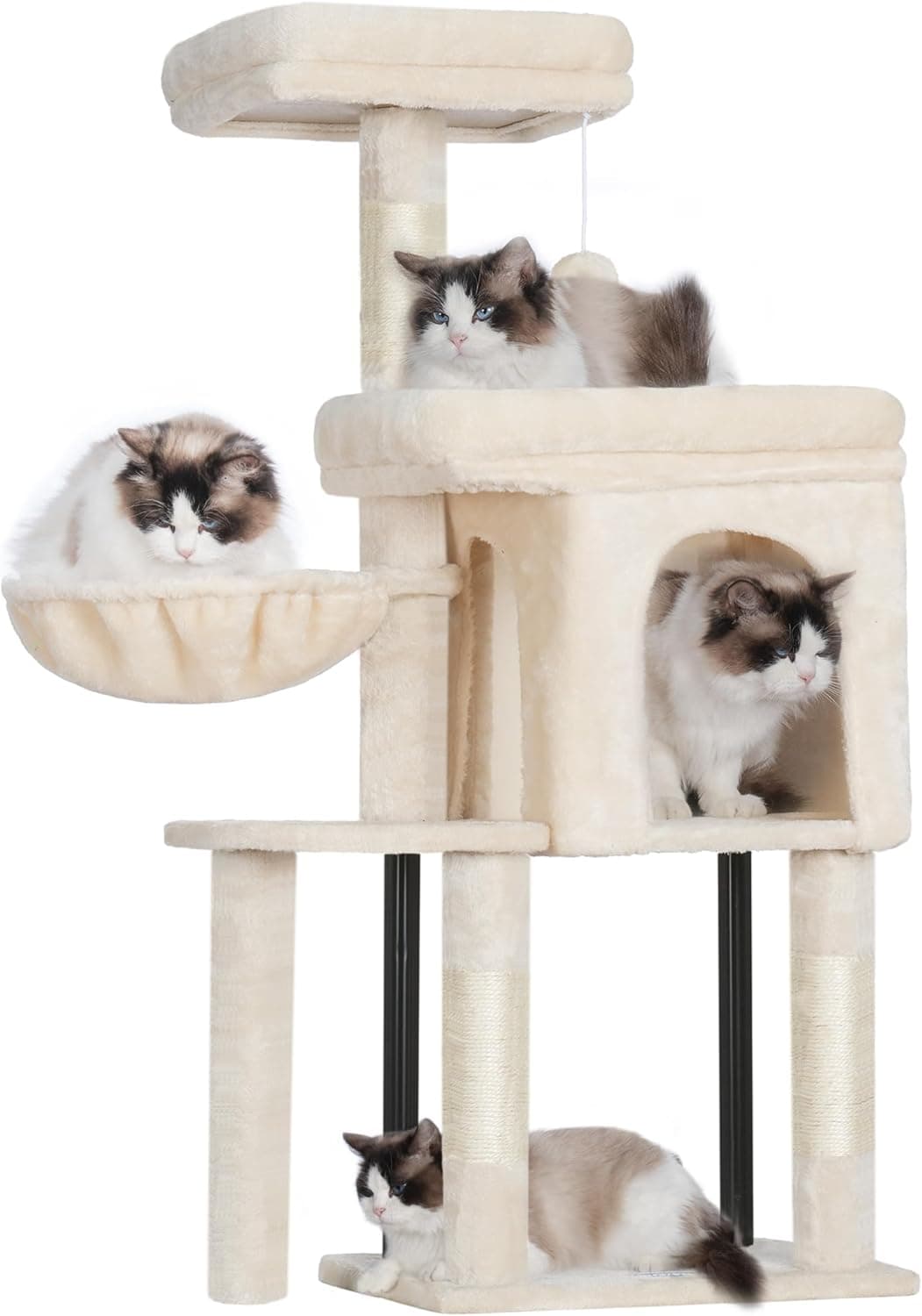
If your cat is a hider, look for something with a proper enclosed condo — like the Hey Brother Cat Tree, which has a two-door condo your cat can disappear into and a hammock they'll discover on their own timeline. If your cat is a climber and a percher, something taller with multiple open platforms gives them the vertical territory they're actually after.
• Step 4: Use Treats to Build a Positive Association
Cats are not dogs — they don't come running because you're enthusiastic about something. They come running because there's something in it for them. Treats are your most reliable tool here.
Place a treat on the lowest platform. When they eat it, place the next one a level higher. Repeat over a few sessions — not all at once, because cats also don't respond well to being rushed. You're building a trail of positive associations one level at a time. Within a few days most cats have made the logical leap that the tree is a treat-dispensing structure and will investigate it voluntarily.
• Step 5: Play Around the Tree First
Before your cat will rest on the tree, they need to feel safe around it. A good way to accelerate this is interactive play near and on the tree. Drag a wand toy up the side, across a platform, into the condo entrance. Let your cat chase it onto the tree without making a big deal of the fact they're on the tree. The goal is for 'being on the cat tree' to become associated with fun rather than with you pointing and saying 'look, go up there.'
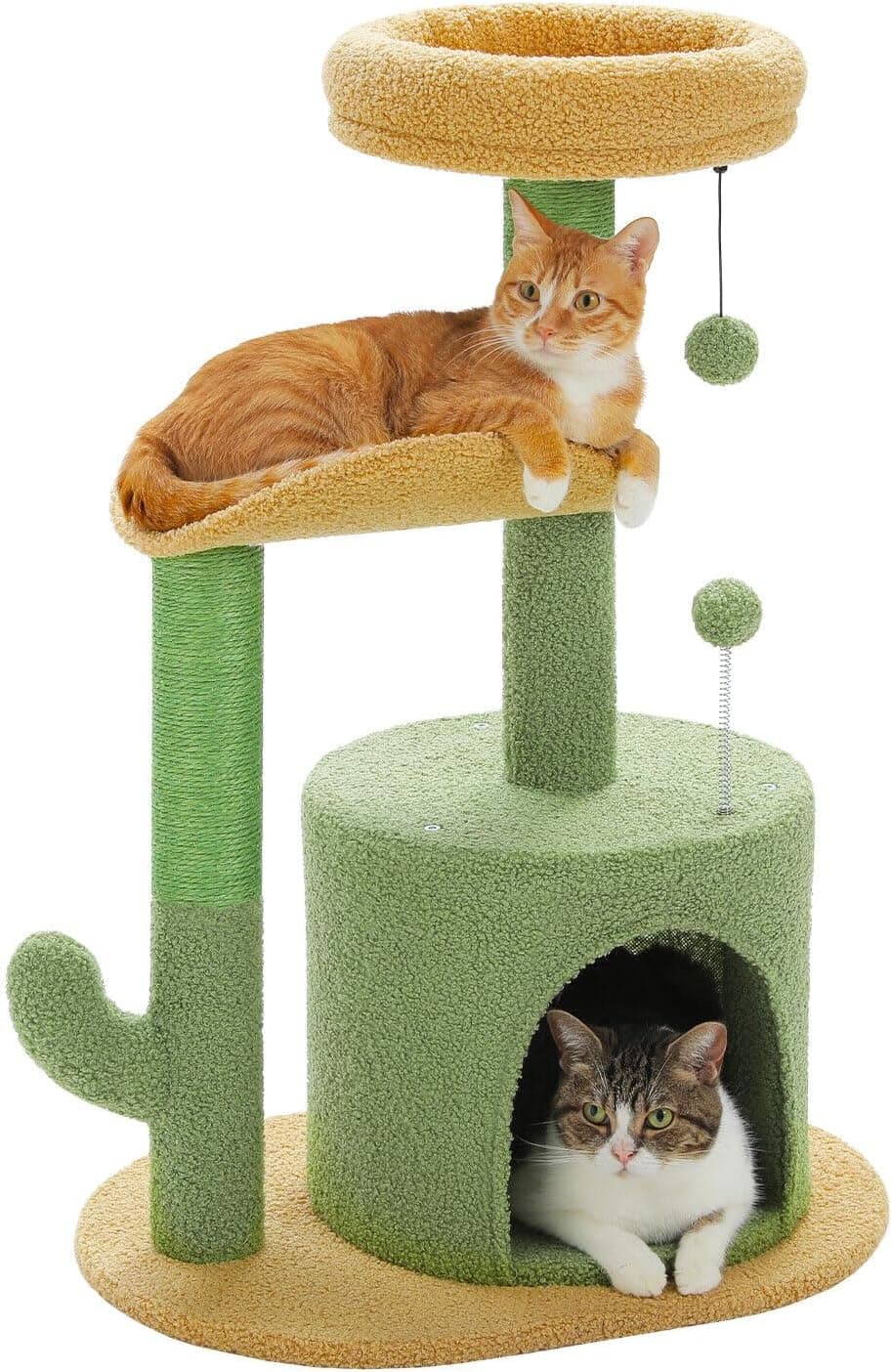
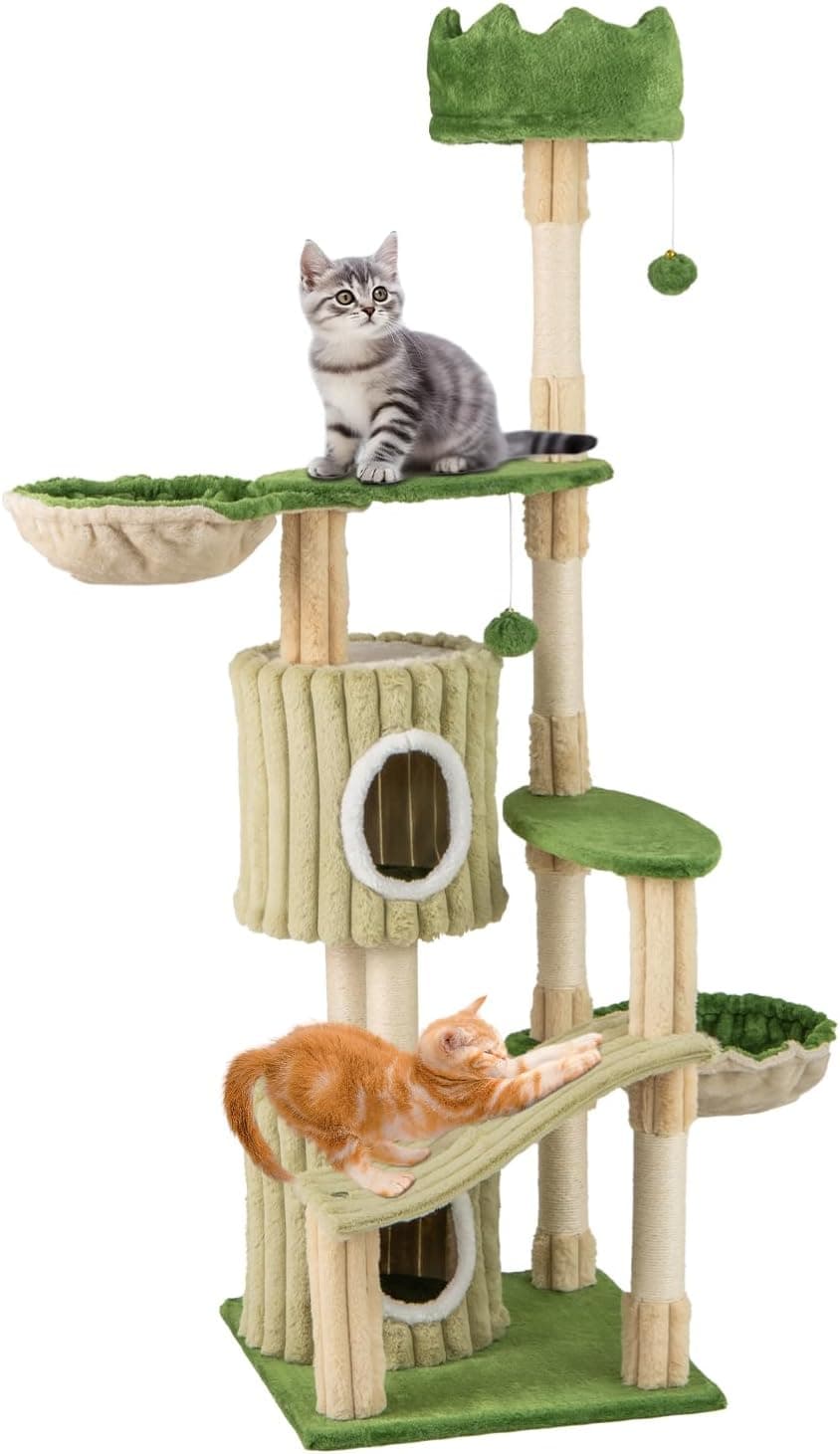
For cats who are particularly play-motivated, a tree with built-in toys helps a lot. The PAWZ Road Cactus Cat Tree has two dangling play balls that give curious cats a reason to approach and investigate on their own — sometimes that initial interaction is all it takes.
• Step 6: Don't Force It
This one sounds obvious but it's the most common mistake. Picking your cat up and placing them on the tree — especially repeatedly — almost always backfires. Cats do not like being put somewhere they didn't choose to go, and now the tree has a negative association attached to it: being manhandled.
Let the tree be their idea. Your job is to make the tree as appealing as possible and then get out of the way. Cats are contrarian by nature — the more you push, the more they'll resist. The less you react to them ignoring it, the sooner they'll decide it was their idea all along.
• Step 7: Give It Time (Seriously)
Some cats take a week. Some take a month. Senior cats and particularly anxious cats can take even longer to warm up to new furniture. If you've done everything above and your cat is still side-eyeing the tree from across the room, the answer is usually just patience.
The turning point for most cats is the moment they feel like the tree is theirs — once they've rubbed their scent on it, scratched the posts a few times, and napped on one platform, the whole thing gets claimed and they'll defend it from imaginary threats for the rest of its life.
• What If They Still Won't Use It?
If you've tried everything and your cat genuinely refuses, consider whether the tree itself is the right fit. Some cats really do have strong preferences — a cat who hates enclosed spaces won't use a condo-heavy tree no matter what you do. A cat who's uninterested in heights isn't going to suddenly become a climber because you bought a 5-foot tower.
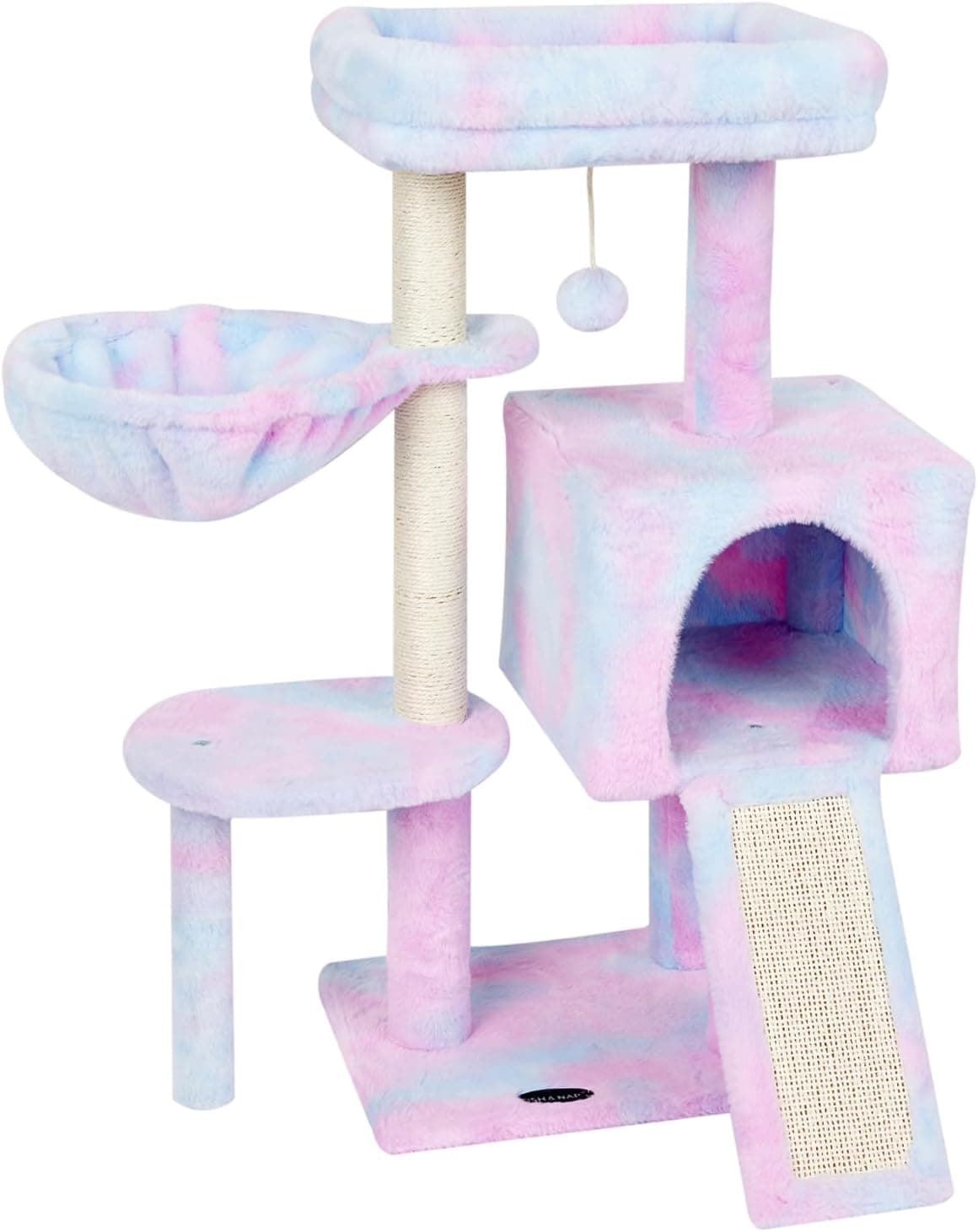
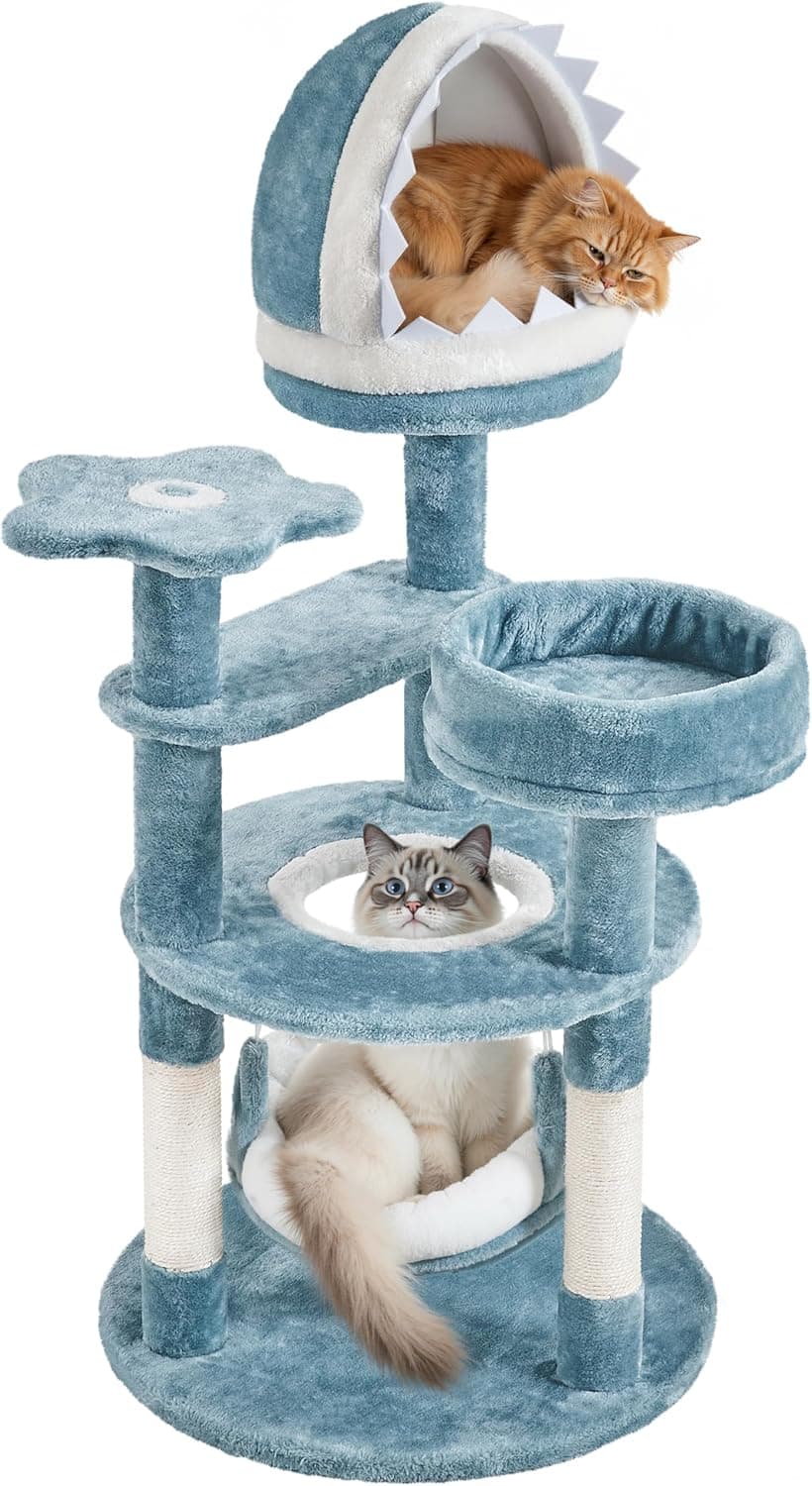
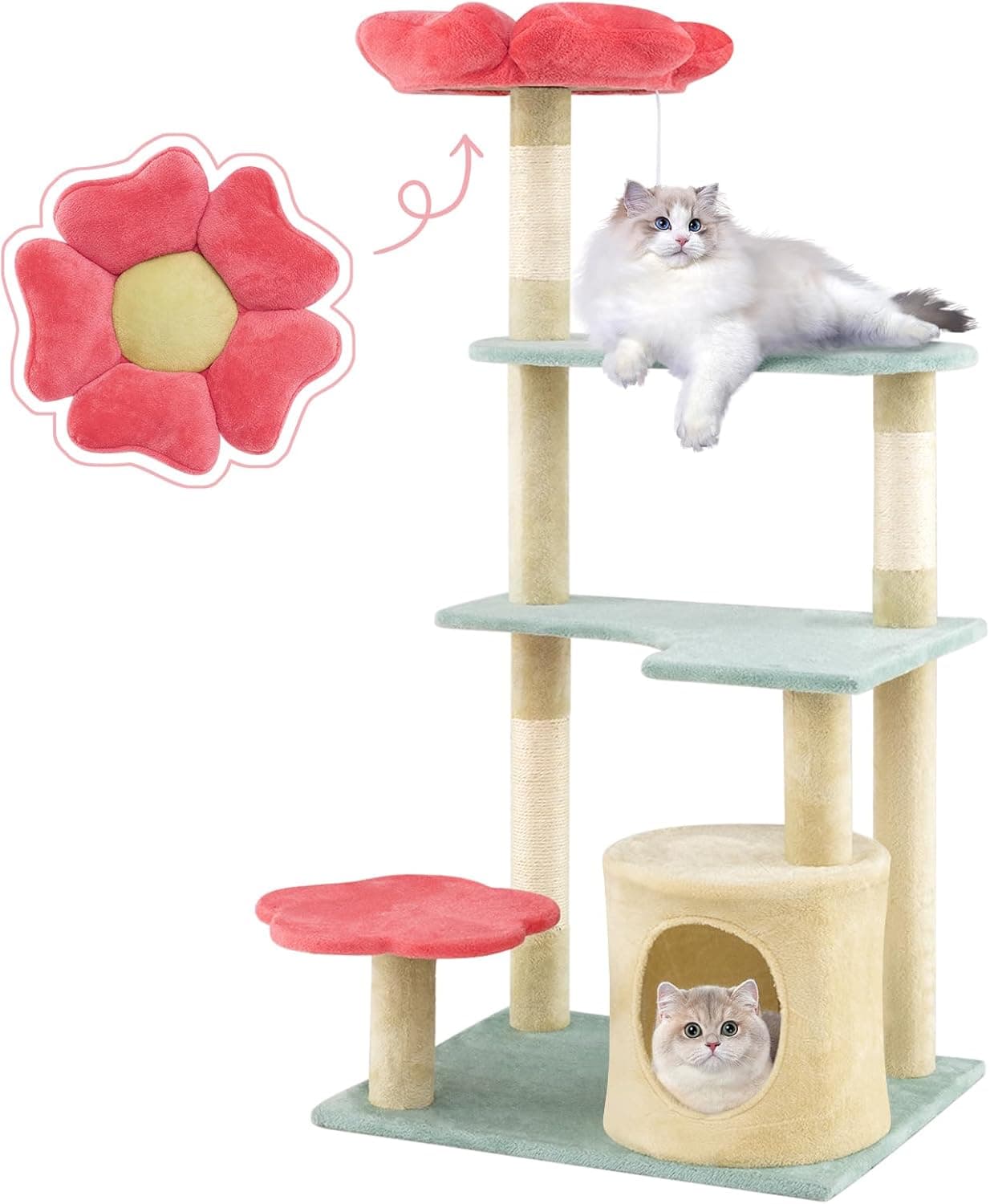
The FISH&NAP Cute Cat Tree is a good option for cats who want options — it has a condo, a rooftop bed, a basket perch, and a scratching post ladder, so there's genuinely something for most personality types. More features means more chances for your cat to find the one thing they actually like about it.
• The Bottom Line
Getting a cat to use a cat tree is less about training and more about setup, patience, and picking the right tree in the first place. Location, scent, and positive associations do most of the heavy lifting. The rest is just waiting for your cat to decide — on their own schedule, obviously — that the tree was their idea all along.
Which, if you know cats, is exactly how it was always going to go.
• Frequently Asked Questions
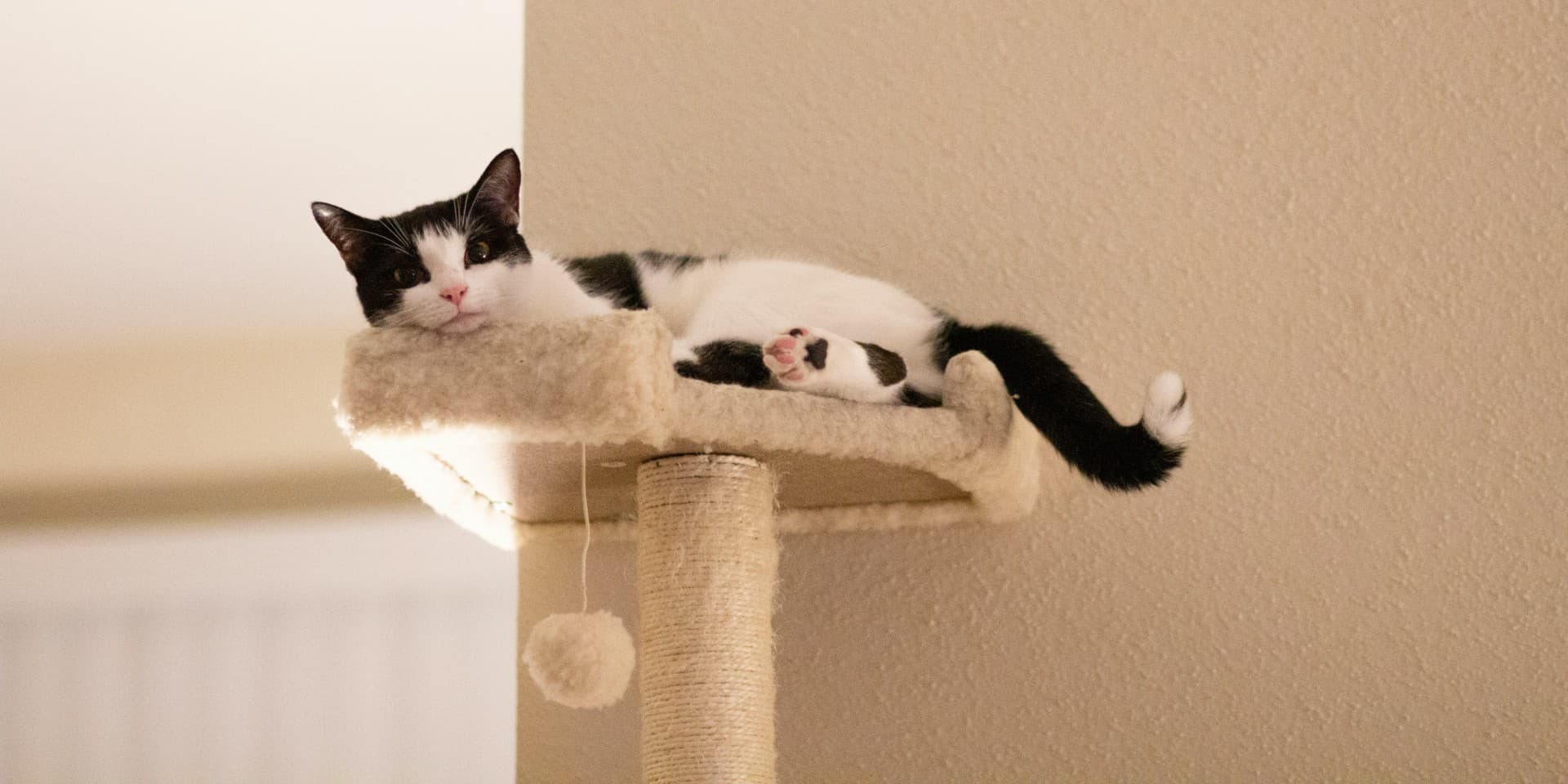
From the Blog
January 15th, 2026
Hey Brother Cat Tree Review: Is It Actually Worth It?
An honest Hey Brother cat tree review covering build quality, stability, the hammock, assembly, and whether it's the right pick for your cat.
April 4th, 2026
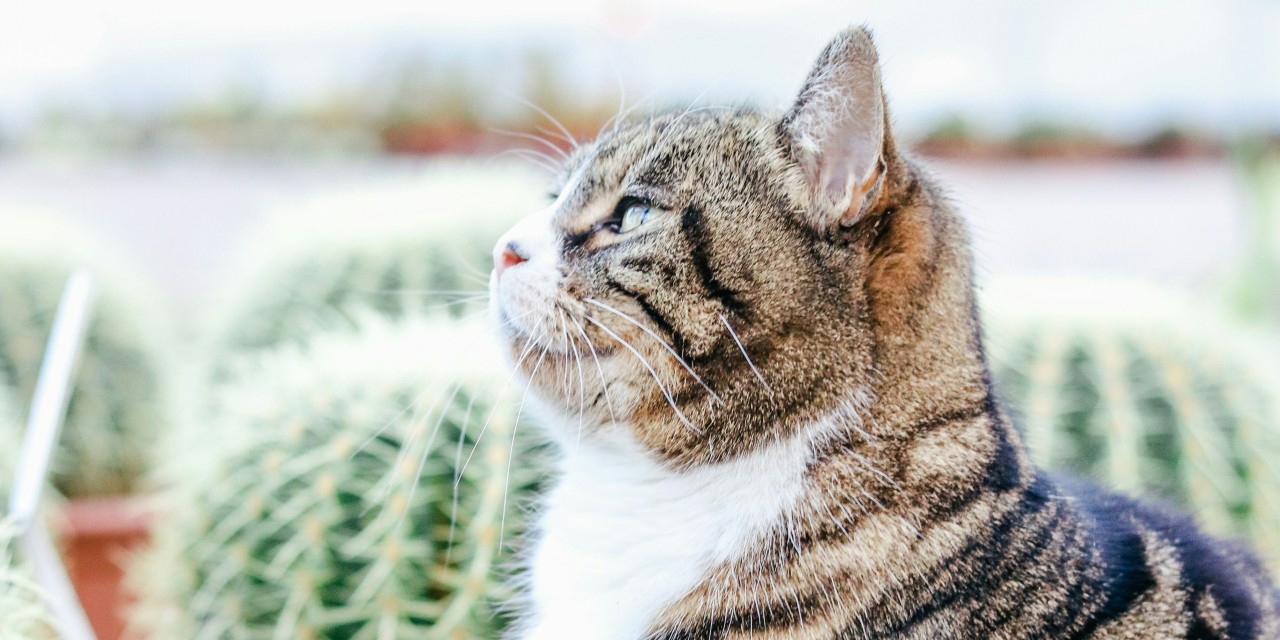
Cactus Cat Tree: The Coolest Way to Keep Your Cat Entertained
Looking for a cactus cat tree? We review the PAWZ Road Cactus Cat Tree — covering build quality, size, scratching posts, and whether it's worth buying for your cat.
April 6th, 2026
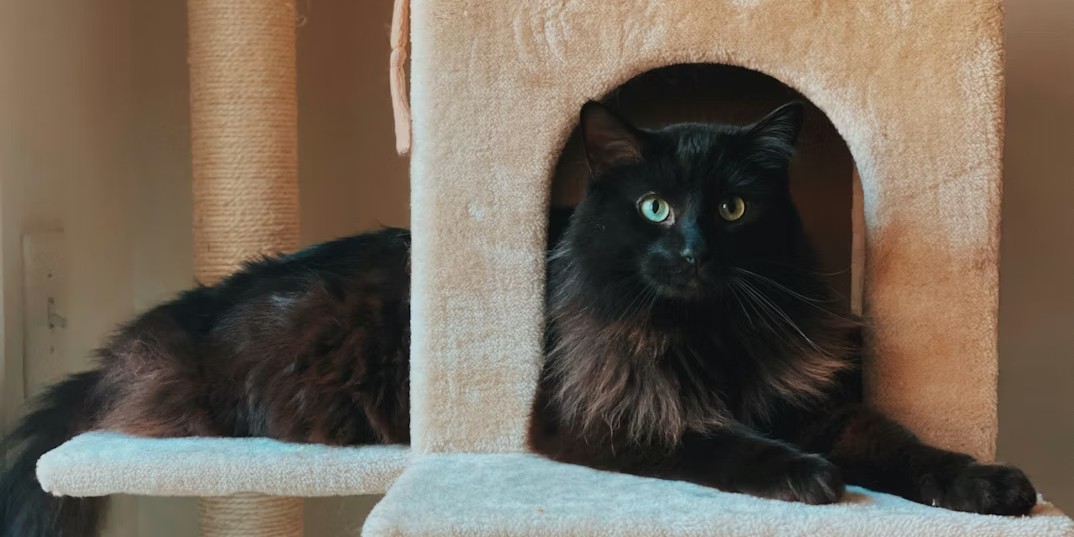
How to Get Your Cat to Use a Cat Tree (When They're Being Difficult About It)
Bought a cat tree your cat won't touch? Here's how to get your cat to actually use it — practical tips, no fluff, written by someone who has been there.
April 7th, 2026
Flower Cat Trees: The prettiest way to keep your cat entertained
Looking for a flower cat tree? We review the best floral cat trees for indoor cats — covering build quality, size, scratching posts, and whether your cat will actually use it.
April 8th, 2026
Unique Cat Trees: The Best Themed Cat Trees for 2026
Tired of boring beige cat trees? We rounded up the best unique and themed cat trees of 2026 — cactus, mushroom, ocean, flower, and more. All available on Amazon.
April 10th, 2026
Best Cat Trees for Small Spaces and Apartments in 2026
Looking for a cat tree that fits a small apartment? We rounded up the best compact cat trees for small spaces in 2026 — all under 40 inches, all fully featured, all available on Amazon.
April 12th, 2026
Best Cat Trees for Multiple Cats in 2026
Shopping for a cat tree for multiple cats? We rounded up the best multi-cat towers of 2026 — stable, spacious, and tested by real cat households. All available on Amazon.
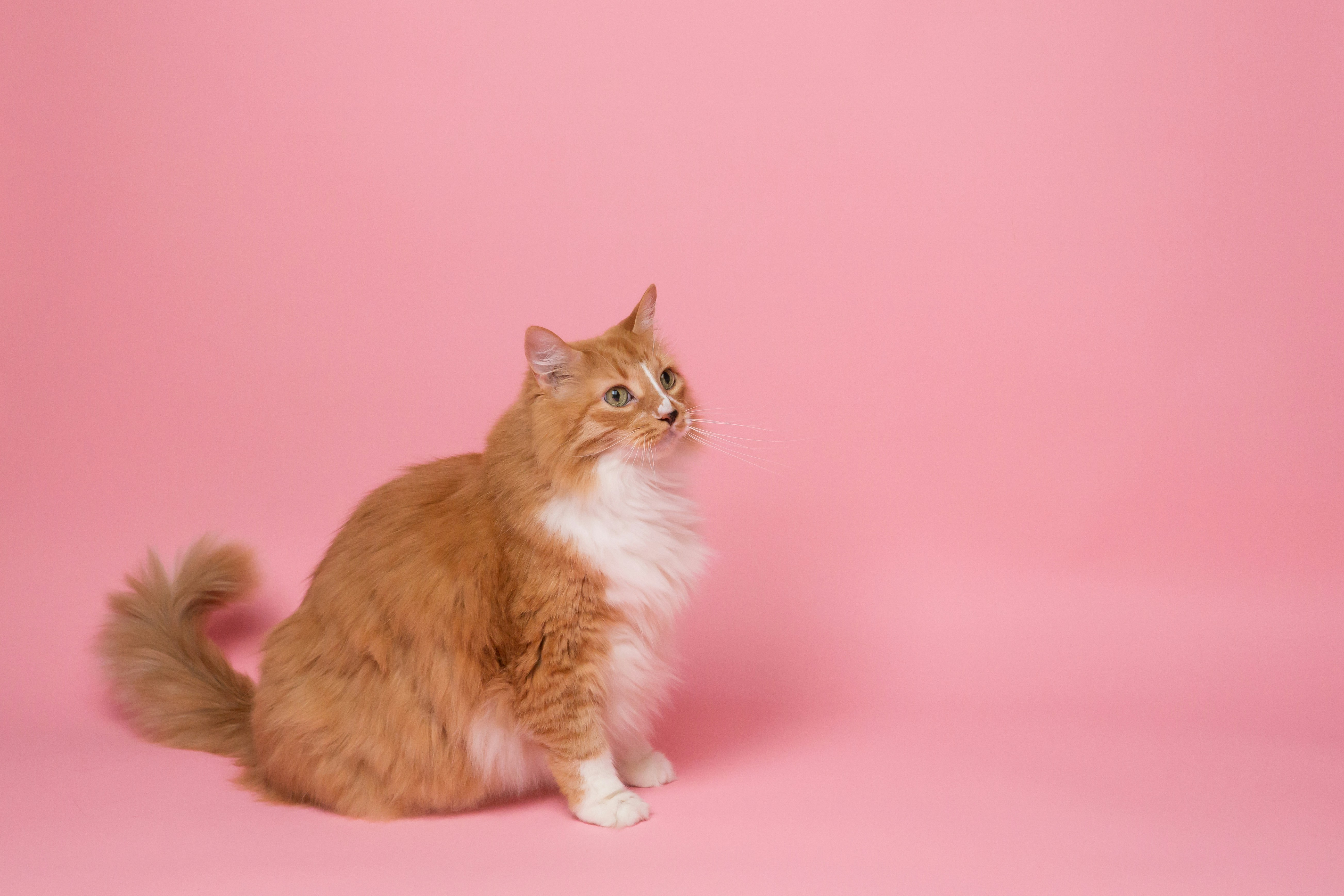
April 14th, 2026
Best Cat Trees for Large Cats in 2026
Shopping for a cat tree for a large cat or big breed? We rounded up the best cat trees for large cats in 2026 — tall, sturdy, and built for Maine Coons, Ragdolls, and big adult cats.
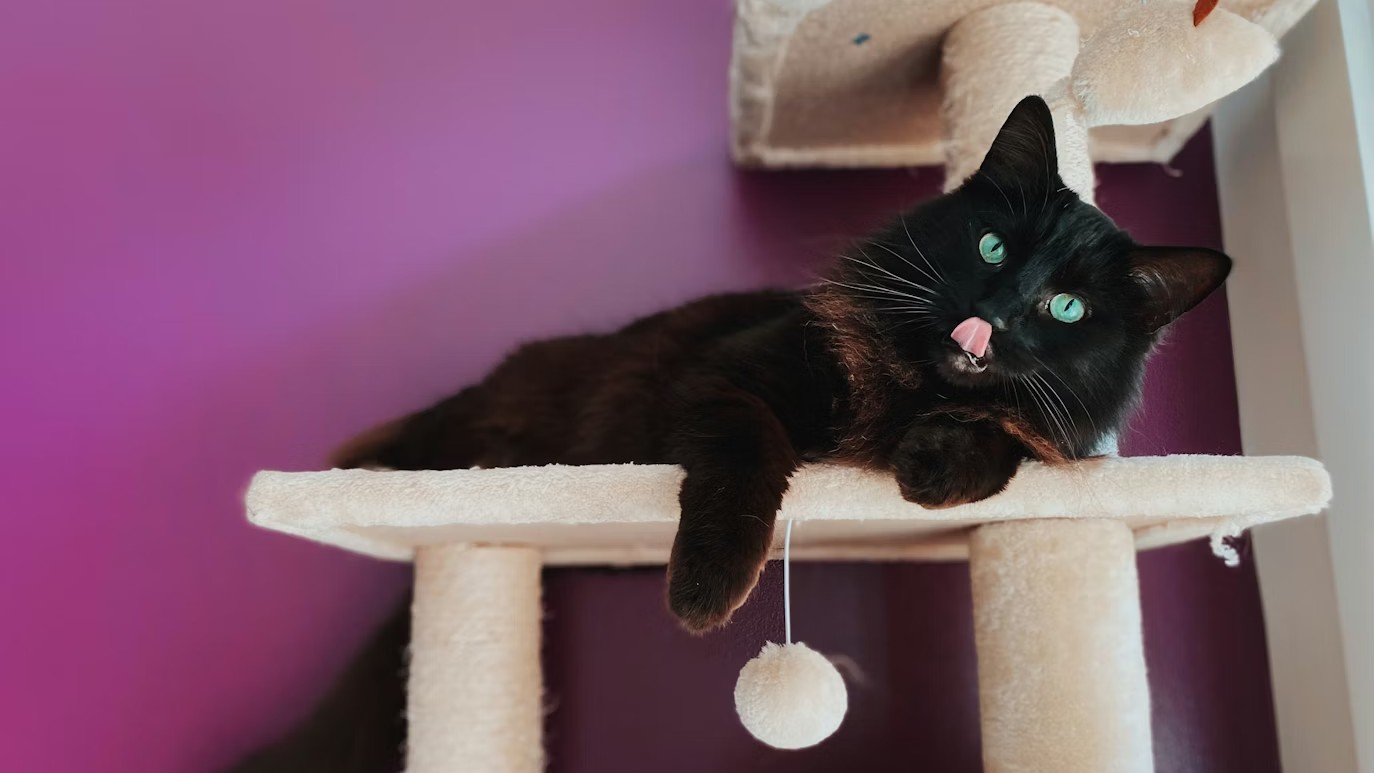
April 15th, 2026
Best Cat Trees Under $50 in 2026
Looking for a great cat tree under $50? We rounded up the best affordable cat trees of 2026 — fully featured, sturdy, and all available on Amazon for under fifty dollars.
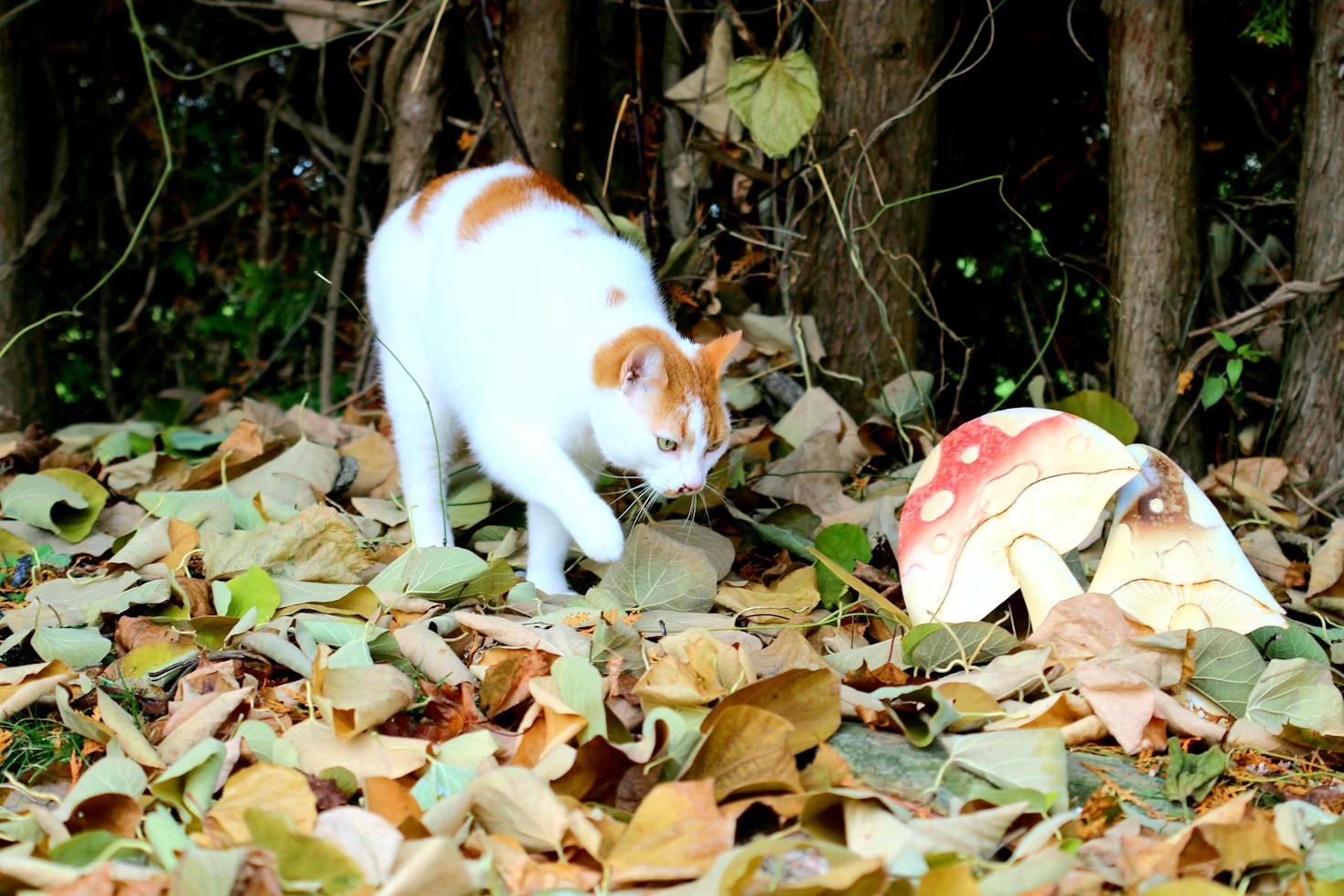
April 16th, 2026
Mushroom Cat Tree: The Best Mushroom Cat Trees of 2026
Looking for a mushroom cat tree? We reviewed the best mushroom cat trees of 2026 — from compact budget picks to giant premium towers. Find the right one for your cat and your home.

April 17th, 2026
Best Tall Cat Trees for Indoor Cats in 2026
Looking for a tall cat tree for your indoor cat? We rounded up the best tall cat trees of 2026 — all over 50 inches, fully featured, and built for serious climbers.
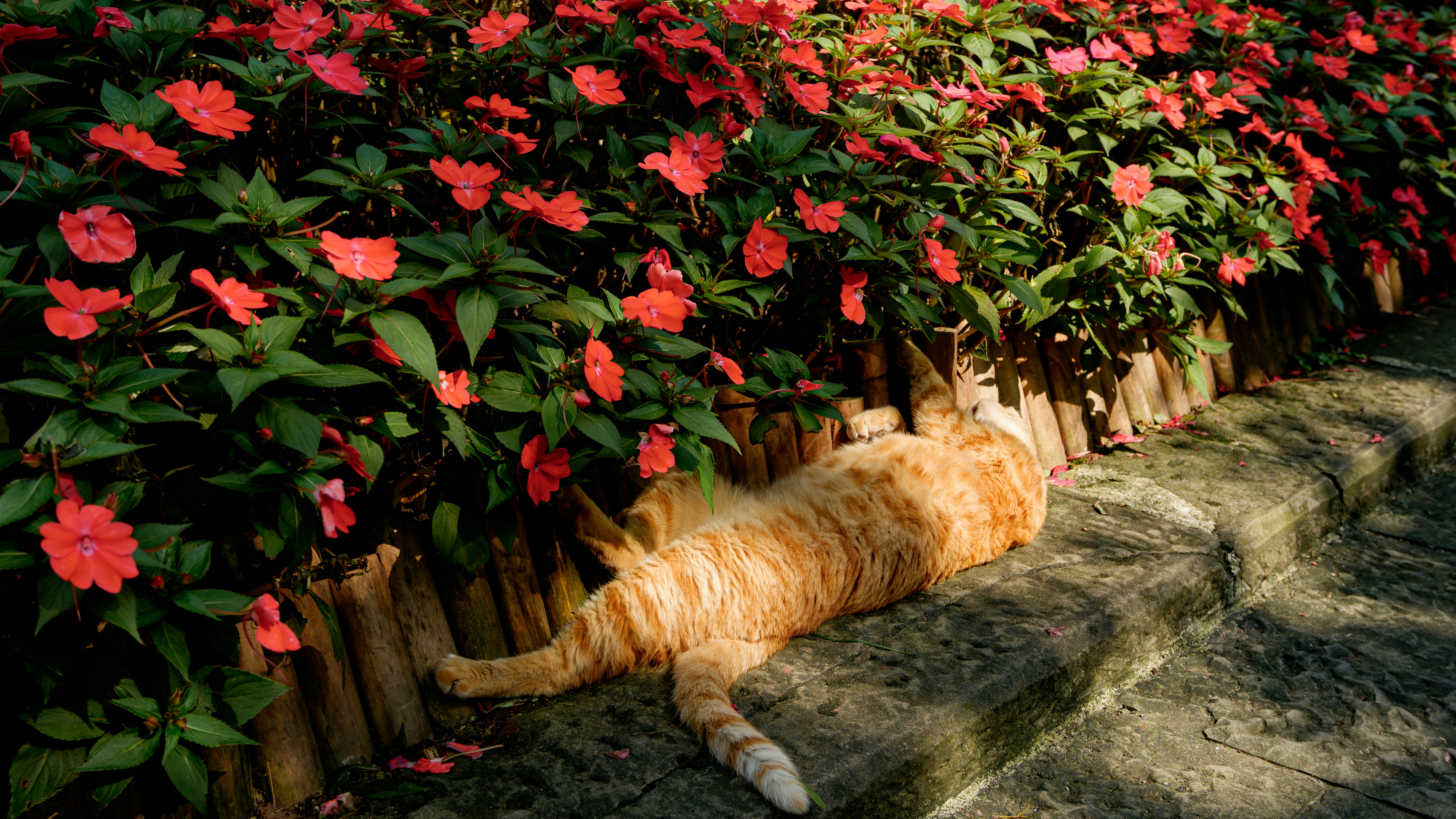
April 18th, 2026
Best Flower Cat Trees of 2026 – The Ultimate Floral Cat Tree Guide
Looking for the best flower cat tree? We reviewed every floral cat tree worth buying in 2026 — from compact budget picks to tall premium towers. Find the perfect one for your cat and home.

April 19th, 2026
Best Cat Trees with Unique Features in 2026
Tired of boring cat trees? We rounded up the most unique cat trees of 2026 — shark mouth nests, clear bowl perches, slides, mushroom condos, space capsules and more. All on Amazon.
April 20th, 2026
Best Pink Cat Trees for Indoor Cats in 2026
Looking for the best pink cat tree? We rounded up the cutest and most functional pink cat trees of 2026 — compact to tall, budget to premium, all available on Amazon.
April 21st, 2026
Best Cat Trees Between $50 and $100 in 2026
Looking for a cat tree between $50 and $100? We rounded up the best mid-range cat trees of 2026 — tall, fully featured, and built to last. All available on Amazon.
April 22nd, 2026
Best Cat Trees for Kittens in 2026
Looking for the best cat tree for your kitten? We rounded up the safest and most fun cat trees for kittens in 2026 — compact, stable, and packed with features young cats love.
April 23rd, 2026
Best Green Cat Trees for Indoor Cats in 2026
Looking for the best green cat tree? We rounded up the most beautiful and functional green cat trees of 2026 — jungle, tropical, botanical and cactus themes all covered.
April 24th, 2026
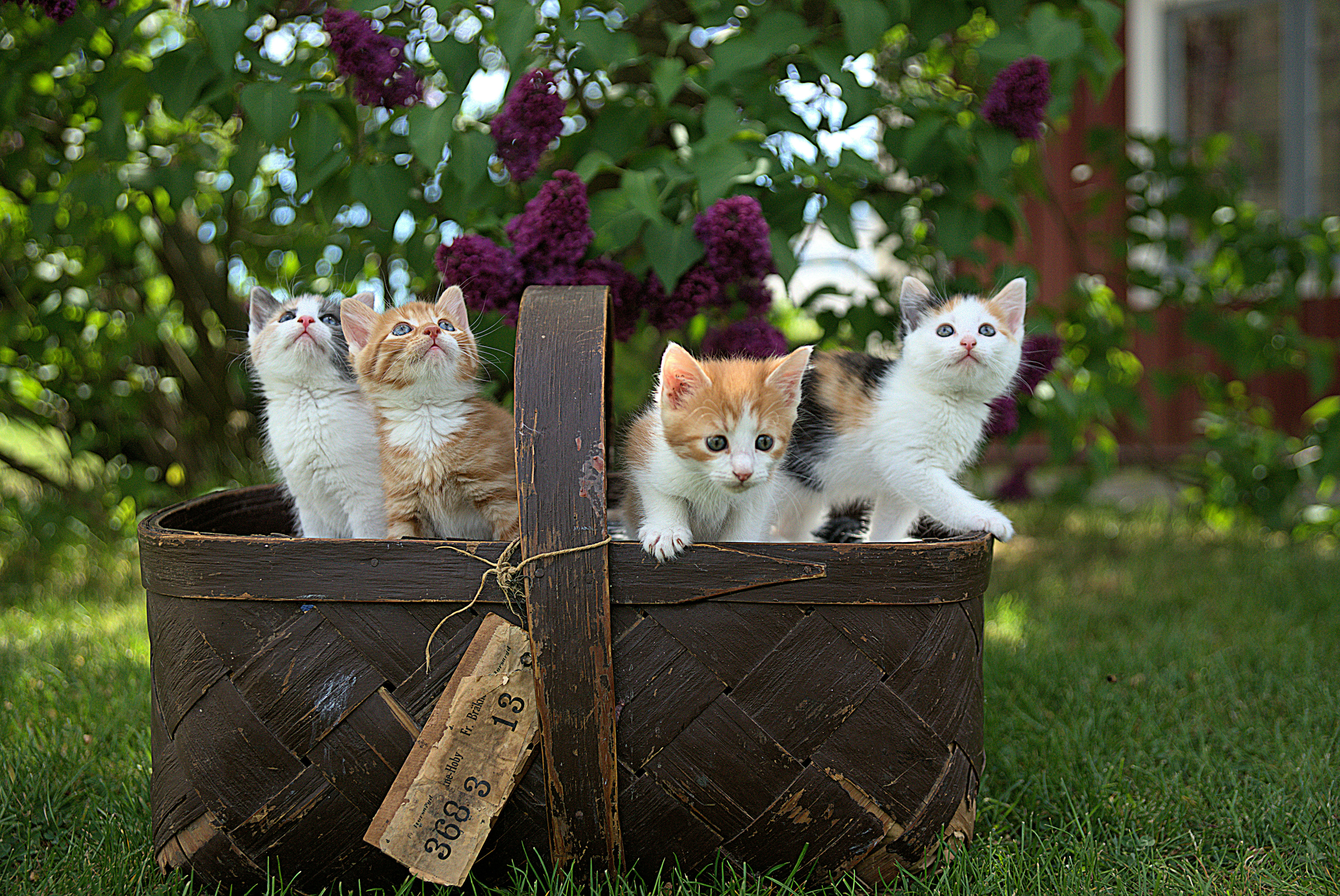
Best Cat Trees for Beginners: What to Buy for Your First Cat
Just got your first cat? We rounded up the best beginner cat trees of 2026 — affordable, easy to assemble, and perfectly sized for new cat owners who don't know where to start.

April 25th, 2026
Best Cat Scratching Posts for Indoor Cats in 2026
Looking for the best cat scratching post? We rounded up the most effective scratching posts for indoor cats in 2026 — from compact budget picks to unique mushroom designs. All on Amazon.
April 26th, 2026
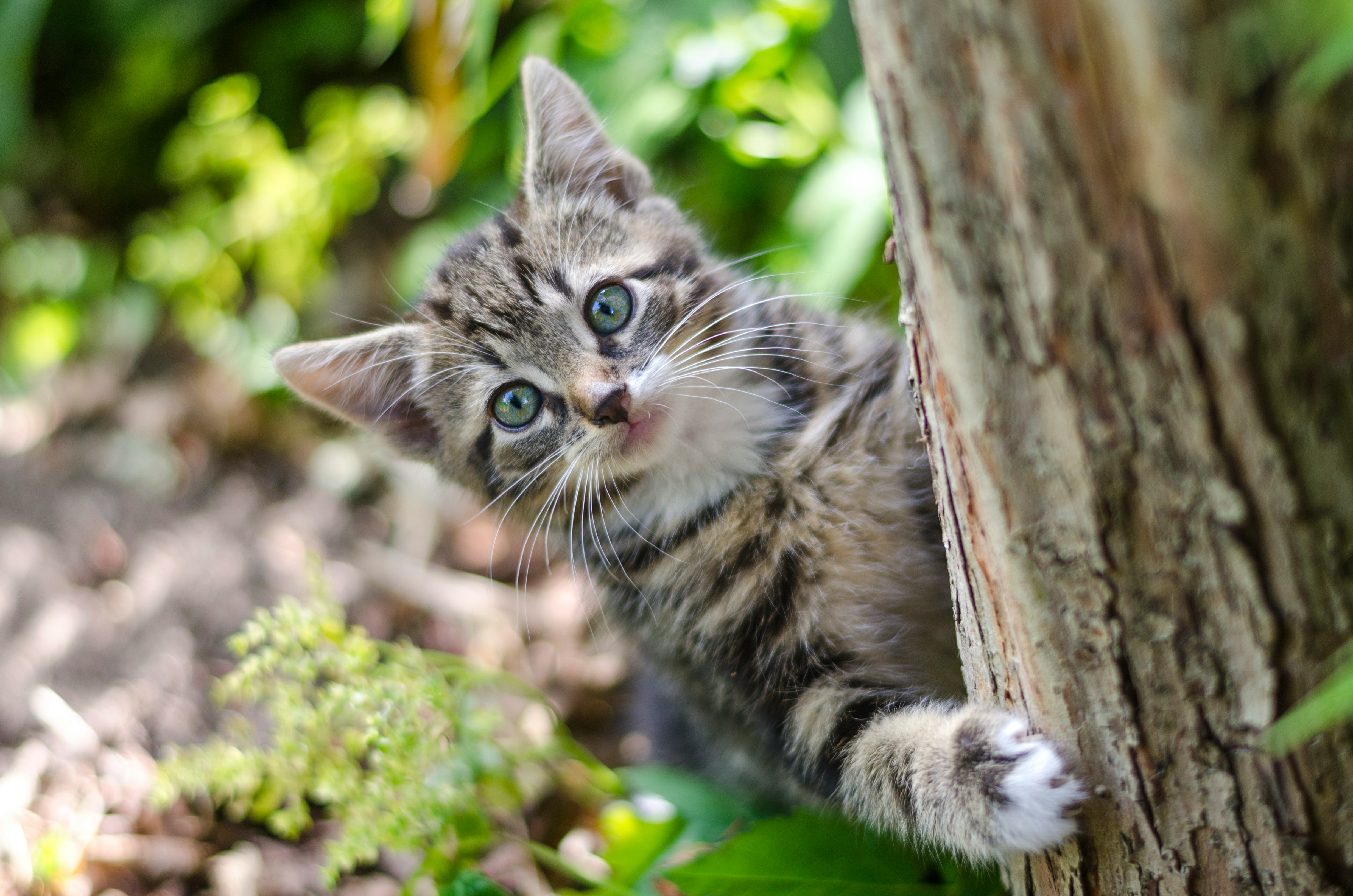
Best Cat Trees Under $30 in 2026
Looking for a great cat tree under $30? We rounded up the best affordable cat trees under $30 in 2026 — compact, sturdy, and fully featured without breaking the bank.
July 3rd, 2026
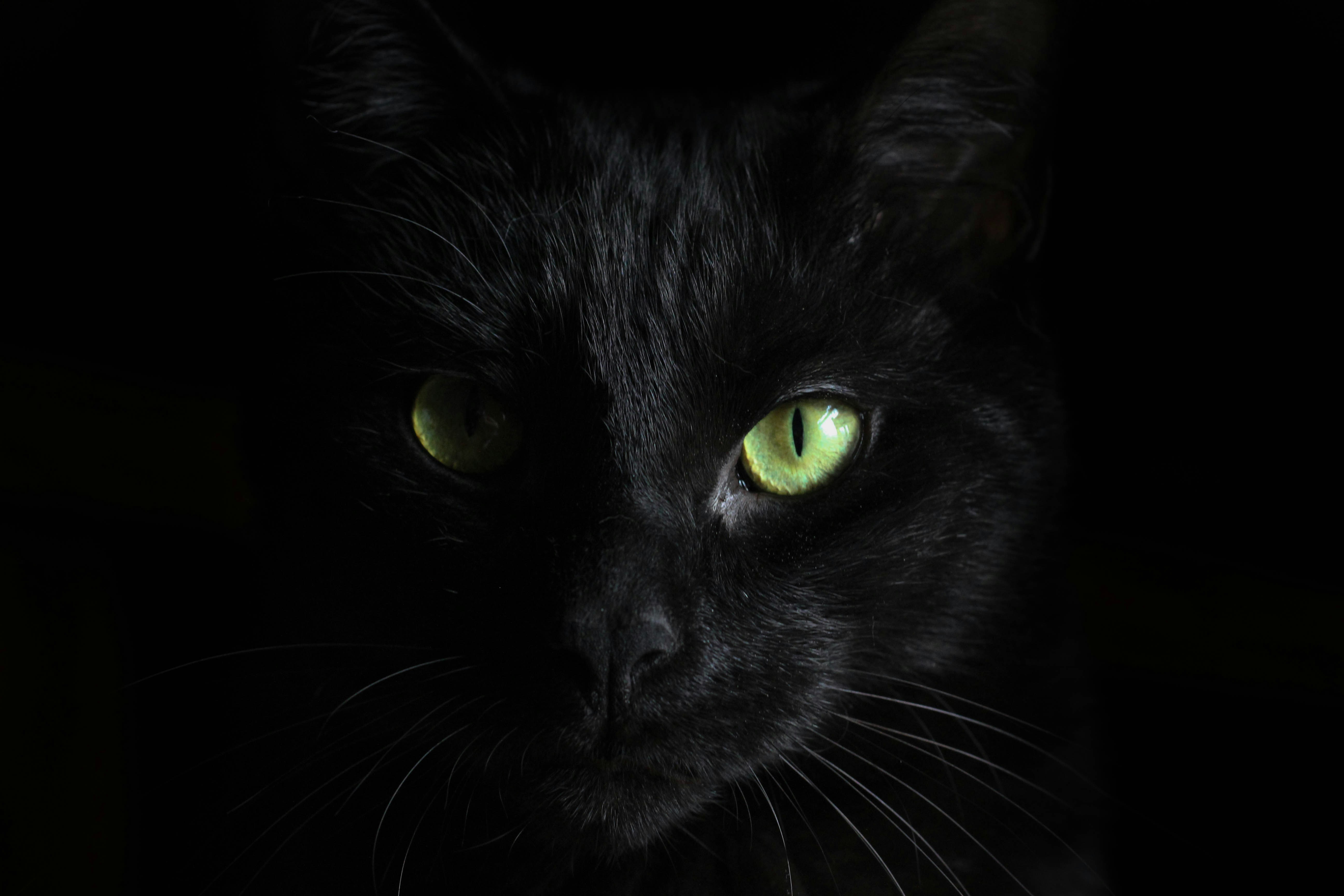
Best Gothic Cat Trees in 2026 – Dark, Dramatic & Actually Well Built
Looking for the best gothic cat tree? We reviewed the top goth cat trees of 2026 — from budget kitten picks to giant statement pieces. All available on Amazon.
July 5th, 2026
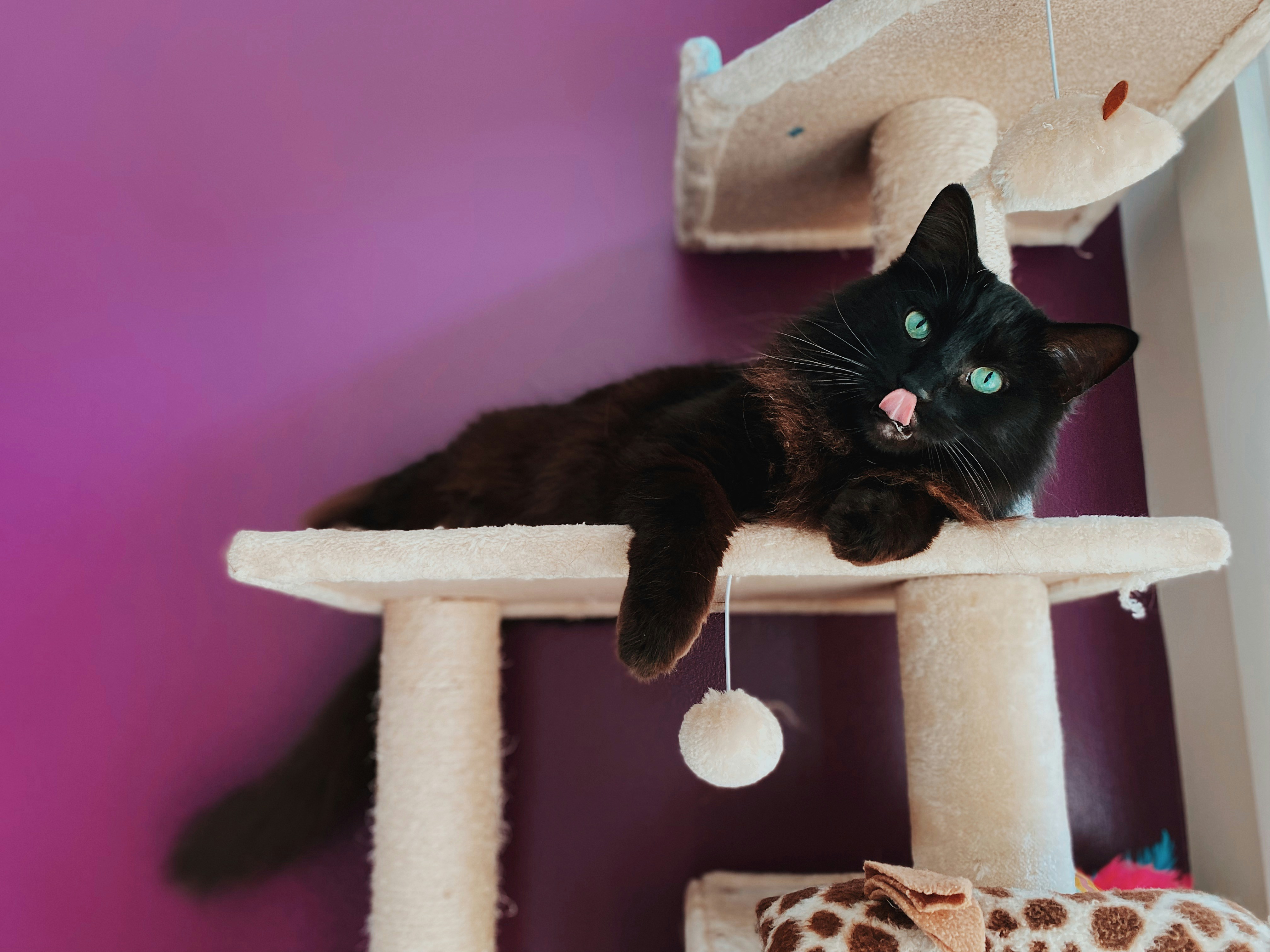
How to Choose a Cat Tree: The Complete Buyer's Guide for 2026
Not sure how to choose a cat tree? Our complete buyer's guide covers size, stability, materials, cat personality, budget and more. Find the perfect cat tree for your cat and home.